First-Time Home Buyers
First-Time Home Buyer Mortgages in Ontario
Programs, down payment rules and closing costs, explained for buyers in Hamilton, Burlington, Brantford, St. Catharines, Caledonia and the Kawarthas.
The short answer
Eligible first-time buyers in Ontario can put as little as 5% down, choose a 30-year amortization on an insured mortgage, save in an FHSA, withdraw up to $60,000 from an RRSP and get up to $4,000 back on land transfer tax. On a new home up to $1 million, federal and Ontario rebates can cover the full 13% HST.
First-time buyer programs at a glance
| Program | What you get | Good to know |
|---|---|---|
| First Home Savings Account (FHSA) | Save $8,000 a year, up to $40,000. Contributions are deductible and qualifying withdrawals are tax-free. | Up to $8,000 of unused room carries forward. An FHSA can stay open for up to 15 years. |
| RRSP Home Buyers’ Plan | Withdraw up to $60,000 from your RRSP tax-free. | You repay it over 15 years. Repayment normally starts in the second year after your withdrawal. For first withdrawals from 2022 through 2028, it starts in the fifth year. |
| Ontario land transfer tax refund | Up to $4,000 back. | That covers the tax on the first $368,000 of the price. Apply within 18 months of registration, and your lawyer can usually claim it at closing. |
| Home Buyers’ Amount | A $10,000 federal tax credit, worth up to $1,500. | It’s non-refundable, and eligible buyers can split it. |
| 30-year amortization | A longer amortization on an insured mortgage and a lower monthly payment. | The insurance premium is 0.20 percentage points higher, and you pay more interest over time. |
| New-home rebates | Up to $50,000 federal and up to $80,000 Ontario on a new home. | These don’t apply to resale homes. See the details below. |
A couple who both qualify could use up to $200,000 from their FHSAs and RRSPs: $40,000 and $60,000 each. You can use the FHSA and the Home Buyers’ Plan on the same purchase.
Who counts as a first-time buyer?
Each program has its own definition, so you may qualify for some and not others.
| Program | The rule, in short |
|---|---|
| Ontario land transfer tax refund | You have never owned a home, or an interest in one, anywhere in the world. Your spouse can’t have owned one while married to you. You must be a Canadian citizen or permanent resident and live in the home within nine months. |
| FHSA, Home Buyers’ Plan and Home Buyers’ Amount | Generally, you haven’t lived in a home owned by you or your spouse or partner in the current year or the previous four calendar years. The exact timing varies by program. |
| Federal and Ontario new-home rebates | The same four-year test, in or outside Canada. You must also be at least 18, a citizen or permanent resident, and the first person to live in the home after it’s built. |
| CMHC 30-year insured mortgage | At least one borrower has never bought a home in Canada, hasn’t lived in a home they or their partner owned in the current year or previous four years, or has recently separated. A newly built home also qualifies. |
For example, someone who sold a home six years ago and has been renting since may qualify for the FHSA and the Home Buyers’ Plan, but not for the Ontario land transfer tax refund.
Rebates on newly built homes
If you buy a new home from a builder, two rebates can remove most or all of the HST.
- Federal First-Time Home Buyers’ GST/HST rebate: up to $50,000. It covers all of the 5% federal portion on a home valued up to $1 million, and less between $1 million and $1.5 million. There’s no rebate at $1.5 million or more.
- Ontario first-time buyer rebate: up to $80,000 of the 8% provincial portion, with the same eligibility rules as the federal rebate.
The purchase agreement must be signed on or after March 20, 2025 and before 2031. Construction must begin before 2031 and be substantially complete before 2036. The home must be your primary residence.
Ontario also has temporary rebates open to all buyers, for agreements with a builder signed from April 1, 2026 to March 31, 2027. They can matter if you’re looking at a new home above $1 million.
Rebates are claimed through the CRA or credited by the builder, so ask your builder and lawyer how yours will be handled at closing. You may need to pay the HST first and wait for the rebate.
Down payment and mortgage insurance
The minimum is 5% on the first $500,000 of the price and 10% on the rest, up to $1,499,999. At $1.5 million or more, the minimum is 20%. With less than 20% down, you’ll need mortgage default insurance.
| Down payment | 25-year premium | 30-year premium |
|---|---|---|
| 5% to 9.99% | 4.00% | 4.20% |
| 10% to 14.99% | 3.10% | 3.30% |
| 15% to 19.99% | 2.80% | 3.00% |
Premiums shown are CMHC’s and apply to the mortgage amount. Sagen and Canada Guaranty set their own.
The premium can be added to your mortgage, but Ontario’s 8% sales tax on it is due at closing. Federally regulated lenders also qualify you at the higher of your contract rate plus 2% or 5.25%.
If you’re considering a duplex that you’d live in, 5% down can still apply, and the rent from the other unit can help you qualify. Three- and four-unit homes need at least 10% down. My Duplex Purchasing Power calculator gives you an estimate of what you could buy.
Closing costs to budget for
Plan for about 1.5% to 4% of the purchase price. On a $600,000 home, Ontario land transfer tax is $8,475. After the $4,000 first-time buyer refund, you’d pay $4,475. Toronto adds a municipal land transfer tax, which doesn’t apply in the areas I serve.
- Legal fees and disbursements: $1,500 to $2,500, plus HST
- Title insurance: $200 to $500
- Home inspection: $400 to $600
- Appraisal: $300 to $500, sometimes covered by the lender
- Sales tax on mortgage insurance: 8% of the premium
- Property tax and utility adjustments, and moving costs
My closing cost calculator and land transfer tax calculator can help you get closer.
How buying your first home works, step by step
- Start saving in the right place. If you’re a year or more away, an FHSA is usually the first thing to look at.
- Review your numbers with me. We go over your income, debts, credit and down payment.
- Get pre-approved. I compare lenders that suit your situation. A pre-approval can hold a rate, usually for 60 to 130 days, but it doesn’t guarantee final approval.
- Shop with your budget in mind. Before you firm up an offer, we go over the property and the financing together.
- Close. Your lawyer handles the closing and the land transfer tax refund, and I stay with you until you have your keys.
On most residential mortgages the lender pays the brokerage, so there is no fee to you. If a fee would apply, I’ll tell you in writing before you commit. I have access to over 100 lenders, including major banks, credit unions, monoline lenders and alternative lenders.
If you work in education, my Teachers Mortgage Program offers preferred rates, up to $750 in rebates and lenders that count contract and supply income. I also have programs for nurses and first responders.
First-time buying in your area
Here’s what the rules look like at each area’s recent average sale price. Your own price may be well above or below the average.
| Area | Average price | Minimum down | Land transfer tax after refund |
|---|---|---|---|
| Hamilton | $714,000 | $46,400 | $6,755 |
| Burlington | $1,076,000 | $82,600 | $13,995 |
| Brantford | $647,600 | $39,760 | $5,427 |
| St. Catharines and Niagara | $656,000 | $40,600 | $5,595 |
| Caledonia and Haldimand County | $651,000 | $40,100 | $5,495 |
| The Kawarthas | $683,000 | $43,300 | $6,135 |
Average prices for September 2026 (Kawartha Lakes: August 2026), rounded, from the Cornerstone Association of REALTORS®, the Brantford Regional Real Estate Association, the Niagara Association of REALTORS® and the Central Lakes Association of REALTORS®. Niagara figures are region-wide. Haldimand figures are county-wide.
Hamilton
First homes range from lower-city semis and older duplexes to newer townhouses on the Mountain and in Binbrook. On older homes, lenders and insurers may ask about the wiring, oil tanks and the roof, so we check before your offer is firm.
Burlington
Many homes here sell for over $1 million. With insurance now available below $1.5 million, you can buy at the average price with about $82,600 down rather than $215,000.
Brantford
Homes typically sell for less than in Hamilton or Burlington, and Highway 403 connects you to both.
St. Catharines and Niagara
First-time mortgages in St. Catharines often involve condos, freehold townhouses or older detached homes in areas like Merritton and Western Hill. In September 2026, the region had about 6.1 months of inventory, which gave buyers room to negotiate.
Caledonia and Haldimand County
New subdivisions make the new-home rebates worth checking here. Builder deposits count toward your down payment, and long closings mean we would get you pre-approved again closer to closing.
The Kawarthas
Lindsay has the most year-round homes and new subdivisions. A seasonal cottage is a different kind of mortgage, so read about rural and cottage financing first.
Questions first-time buyers ask
What grants are available for first-time home buyers in Ontario?
Most of the help comes as tax-free savings, tax refunds and rebates rather than grants. The main ones are the FHSA, the Home Buyers’ Plan, the Ontario land transfer tax refund, the Home Buyers’ Amount and, on new homes, the federal and Ontario HST rebates.
How much do I need to save in total?
On a $600,000 home, the minimum down payment is $35,000 and closing costs are about $9,000 to $24,000. If you have less than 20% down, plan for the 8% sales tax on your insurance premium as well.
Can I get a 30-year amortization on a resale home?
Yes. Since December 15, 2024, first-time buyers can choose 30 years on an insured mortgage on a resale or a new home.
Can I use the FHSA and the Home Buyers’ Plan together?
Yes. You can use both on the same purchase if you meet the rules for each.
What credit score do I need?
For a CMHC-insured 30-year mortgage, at least one borrower needs a score of 600. Lenders can set their own, higher minimums, so I’ll check what’s realistic for you.
My partner owned a home before. Can I still get the land transfer tax refund?
Not if your partner is your spouse and owned the home while you were married. If they owned it before the marriage, or you aren’t married, the rules are different, so ask your lawyer.
I’m happy to sit down and talk with you about your options, whether you’re ready to buy or just starting to save.
Talk with Dustin289-244-6979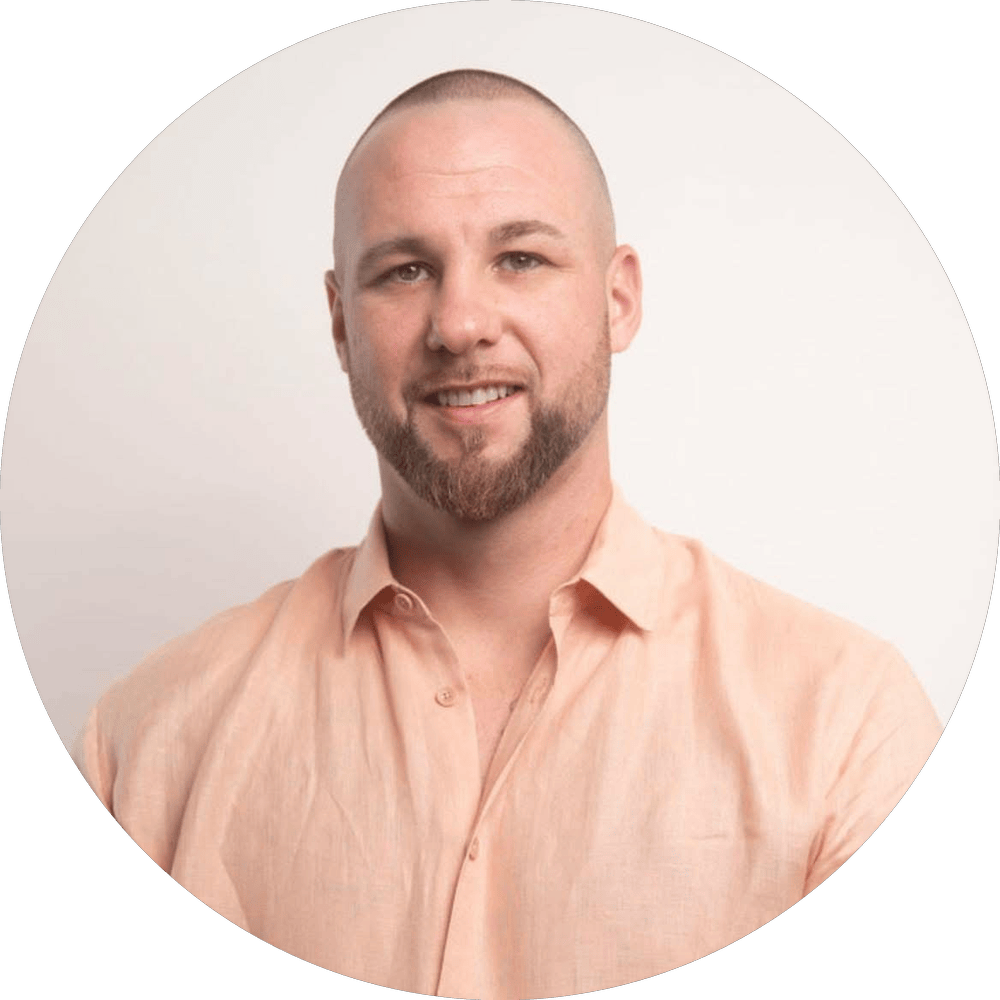
Dustin Arruda, Level 2 Mortgage Agent, Lic. #M19001236, DLC National Ltd., FSRA #12360
I’ve helped clients across Southern Ontario for over seven years, from my office at 901 Guelph Line in Burlington. More about me.
Sources: CMHC Home Start; CRA, FHSA; CRA, Home Buyers’ Plan; CRA, Home Buyers’ Amount; CRA, GST/HST rebate; Ontario, land transfer tax refund; Ontario, new-home HST relief. Cost ranges are my own estimates. This page is general information, not tax or legal advice, and rules can change. Reviewed November 2026.